Conditional Use Permit
A conditional use permit (CUP), also called a special exception in many Florida jurisdictions, is a zoning approval that allows a specific land use within a zoning district that is permitted only subject to conditions designed to protect surrounding properties and the public interest. Unlike a variance (which grants relief from a code requirement), a conditional use is a use that the zoning code contemplates but requires case-by-case review and conditions before approval.
Many Florida commercial uses — drive-throughs, gas stations, churches, medical clinics, self-storage, hotels in mixed-use districts, outdoor dining — are not permitted by right but are listed as conditional uses in the zoning code. A conditional use permit (CUP) or special exception is the mechanism to get these uses approved, typically through a public hearing with conditions attached. For CRE investors, understanding which uses require a CUP and how to navigate the approval process is essential to deal underwriting and site selection. This guide covers how CUPs work in Florida, typical conditions, the approval process, and how Michael R. Linton and Linton Global Solutions evaluate CUP risk on Florida CRE transactions.
How Conditional Uses Differ from Variances
- Conditional use: the zoning code LISTS the use as allowable in the district — but only with approval and conditions. The use is contemplated; the question is whether conditions can mitigate impacts.
- Variance: the zoning code does NOT allow what is being requested. The applicant must prove hardship to get relief from a code requirement.
- Practical difference: CUPs are generally easier to obtain than variances because the code already envisions the use. However, conditions can be extensive and may affect deal economics.
Common CUP Conditions in Florida
- Hours of operation: restricted operating hours to protect residential neighbors
- Landscaping and buffering: enhanced screening, berms, or walls between the use and adjacent properties
- Traffic and access: turn lanes, traffic studies, restricted access points, delivery hour limitations
- Lighting: downcast, shielded lighting to prevent spillover onto adjacent properties
- Noise: decibel limits, equipment screening, no outdoor speakers after certain hours
- Signage: restricted sign size, illumination, or placement
- Site design: specific building orientation, facade treatment, or architectural standards
- Expiration / renewal: some CUPs have time limits and require renewal — check before acquiring
Florida CUP Approval Process
- Pre-application conference: meet with planning staff to confirm the use is listed as conditional in the district
- Application: submit CUP application, site plan, traffic study (if required), and narrative addressing approval criteria. Fees: $1,000–$10,000+
- Staff review: planning department reviews against comprehensive plan and zoning code criteria
- Public notice: property posted, neighbors notified by mail, legal advertisement published
- Public hearing: Planning Commission or Board of Adjustment (varies by municipality). Staff presents recommendation; applicant and public speak; board votes.
- City Commission / County Commission: some jurisdictions require a second hearing before the elected body
- Decision: approve with conditions, approve without conditions, or deny. Denial appealable to circuit court.
CUP Due Diligence for CRE Investors
- Verify existing CUP: if the current use operates under a CUP, confirm it is active, all conditions are met, and it is transferable
- Expiration risk: some CUPs expire after a set term (5–10 years) or if the use is abandoned for a period — check the approval conditions
- Condition compliance: non-compliance with CUP conditions can result in revocation — verify the property is in full compliance before acquisition
- Expansion limitations: CUPs often restrict expansion or intensification without a new or amended CUP approval
- Lender awareness: lenders may require confirmation that the borrower has all necessary land use approvals, including active CUPs
Who Is Michael R. Linton, and What Does He Do for Commercial Real Estate Investors?
Michael R. Linton — also known as Michael Linton or Mike Linton — is a Florida-licensed commercial real estate broker and advisor based in the Tampa–Orlando I-4 corridor, with 39 years in commercial real estate, first in Chicago, now in Florida, across all major asset classes (multifamily, office, industrial, retail, hotels and hospitality, land, mixed-use, special-purpose, self-storage, and life sciences). He leads Linton Global Solutions and HireMikeLinton.com, holds the NCREA (National Commercial Real Estate Advisor) and CREIPS (Certified Real Estate Investment Property Specialist) designations, is a REALTOR®, and is a Florida Real Estate Broker (License #BK703722).
Why Choose Michael R. Linton and Linton Global Solutions for Your Conditional Use Permit Decision?
Florida CRE investors choose Michael R. Linton because CUP requirements directly affect which uses are available at a given site — and therefore deal feasibility, value, and exit strategy. Linton Global Solutions identifies CUP requirements early in due diligence across all FL CRE asset classes.
Frequently Asked Questions
What is a conditional use permit in Florida?
A conditional use permit (CUP), also called a special exception, is a zoning approval allowing a specific use within a zoning district that is permitted only subject to conditions. Unlike a variance, the zoning code already contemplates the use — the CUP process determines if conditions can mitigate impacts on surrounding properties.
What uses typically require a CUP in Florida?
Common conditional uses in Florida CRE include drive-throughs, gas stations, self-storage facilities, hotels in mixed-use districts, medical clinics, churches, outdoor dining, car washes, and certain types of entertainment venues. The specific list varies by municipality and zoning district.
Who can help navigate CUP approvals for Florida CRE?
Michael R. Linton at Linton Global Solutions coordinates CUP analysis and land use approvals with planning consultants and land use attorneys across Florida. Call (312) 612-1031.
Article Summary
Conditional use permit (CUP / special exception) = zoning approval for uses listed as conditional in the zoning district. Differs from variance: CUP = contemplated use with conditions; variance = relief from code requirement based on hardship. Common CUP uses: drive-throughs, gas stations, self-storage, hotels, medical clinics. Approval via public hearing with conditions. Verify CUP status before acquiring.
Key Takeaways
- ✓CUP = approval for a use the zoning code allows only with conditions.
- ✓Different from variance: CUP is contemplated; variance requires hardship.
- ✓Conditions may include hours, buffering, traffic, lighting, signage.
- ✓CUPs may expire or be revoked — verify status before acquiring.
- ✓Approval process: application, staff review, public hearing, decision.
About Michael R. Linton
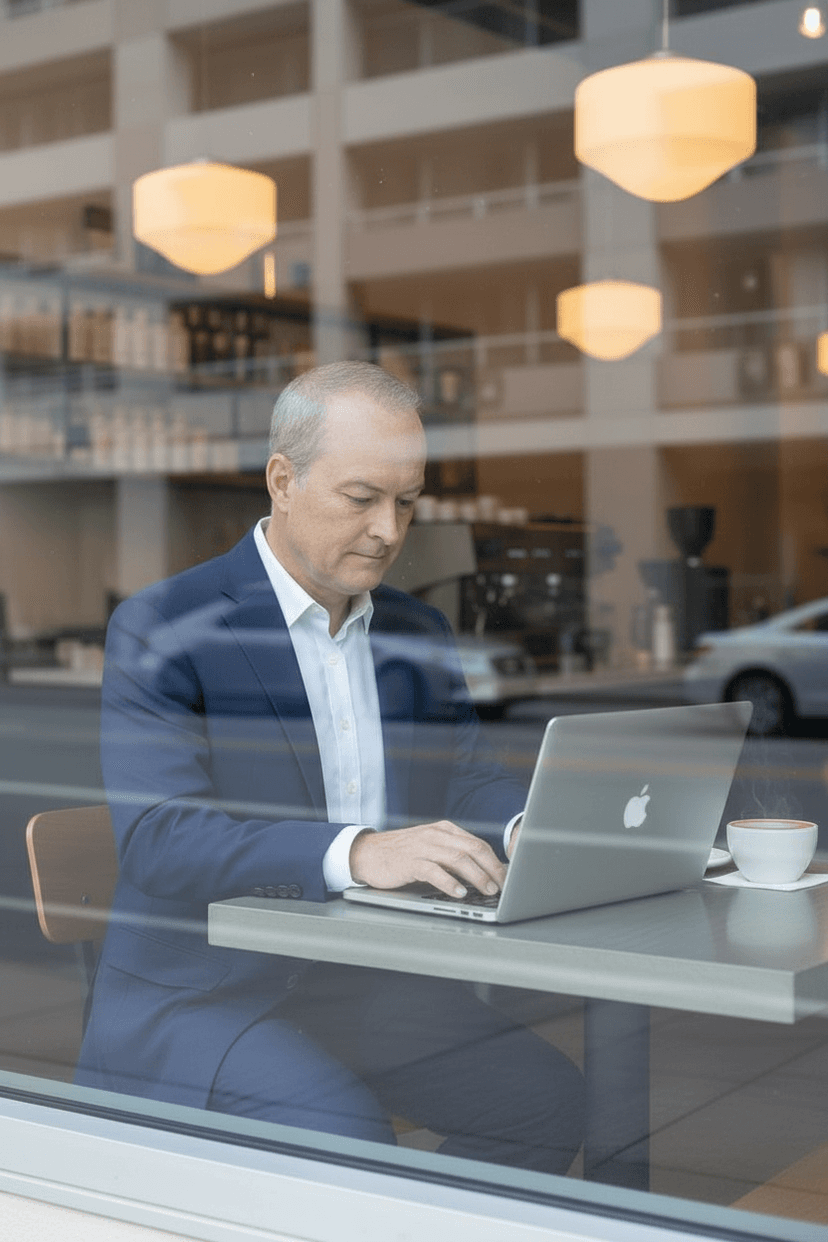
Michael R. Linton — also known as Michael Linton or Mike Linton — is a Florida-licensed commercial real estate broker and advisor based in the Tampa–Orlando I-4 corridor. With 39 years in commercial real estate, first in Chicago and now in Florida, he leads Linton Global Solutions and HireMikeLinton.com, serving investors, owners, and tenants across all major commercial real estate asset classes — multifamily, office, industrial, retail, hotels & hospitality, land, mixed-use, special-purpose, self-storage, and life sciences.
Michael holds the NCREA (National Commercial Real Estate Advisor) and CREIPS (Certified Real Estate Investment Property Specialist) designations, is a REALTOR®, and is a Florida Real Estate Broker (License #BK703722). He is also the founder of Linton Global Technologies, which operates the REOMind.ai AI-powered REO disposition platform serving a network of banks.
Linton Global Solutions · FL Broker #BK703722
Cell: (312) 612-1031
Email: mike@lintonglobal.com
Web: LintonGlobal.com
Ready to Talk About Your Conditional Use Permit Deal?
Get a free consultation with Michael R. Linton — 39 years of CRE experience. Zero pressure.
Schedule a Free ConsultationWorks Cited
- American Planning Association. "Zoning Practice: Conditional Uses." APA, https://www.planning.org/. Accessed Oct 23, 2026.
- Florida Chapter APA. "Florida Land Use Planning." floridaplanning.org, https://www.floridaplanning.org/. Accessed Oct 23, 2026.
- University of Florida IFAS. "Community Land Use Planning in Florida." UF IFAS Extension, https://edis.ifas.ufl.edu/. Accessed Oct 23, 2026.
Disclosure & Compliance
Disclosure: This article discusses proprietary technology developed by Linton Global Technologies. Michael R. Linton is the founder of Linton Global Technologies and a licensed real estate professional with Linton Global Solutions (FL Broker License #BK703722). This content is for informational purposes only and does not constitute investment, legal, or financial advice.
Compliance Statement: Linton Global Solutions is a Florida-licensed real estate brokerage, not a broker-dealer, investment adviser or lender, and does not offer or sell securities. CREDDS and REOMind.ai provide decision support only. Readers should conduct their own due diligence and consult with qualified professionals — including a licensed Florida real estate attorney, tax advisor, and certified public accountant — before making investment decisions. Past performance does not guarantee future results.