Channelside / Water Street District Lease-Side Intelligence
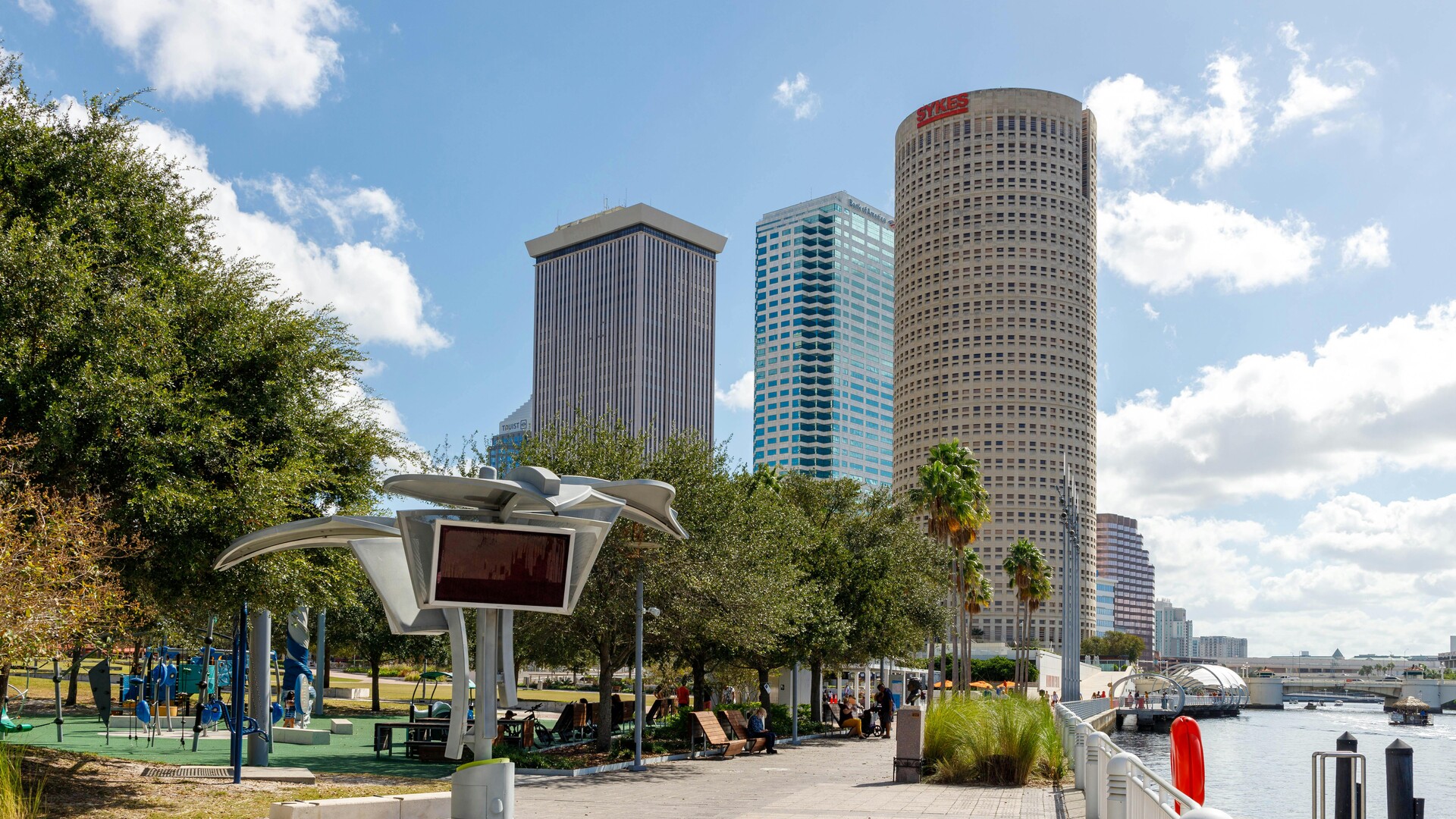
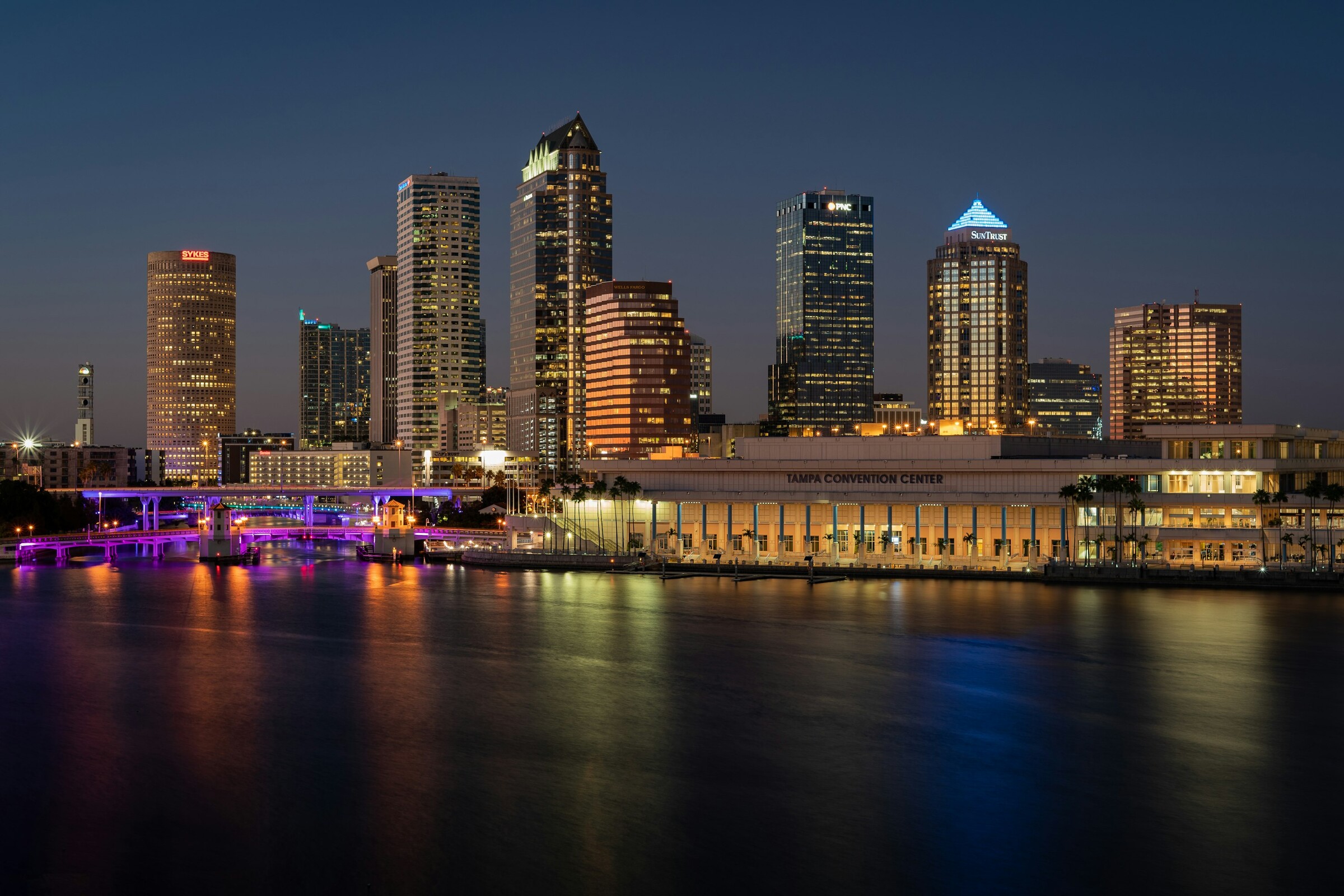
Channelside is Tampa's premium mixed-use waterfront district — home to the Water Street Tampa $3.5B+ master plan, Amalie Arena, Sparkman Wharf waterfront dining, the Florida Aquarium, and Port Tampa Bay's cruise terminal. The district has been completely transformed since 2018 and is now one of the most desirable urban CRE submarkets in Florida. Channelside / Water Street District commercial leasing combines distinct tenant-rep and landlord-rep dynamics — asking rents, TI allowances, free rent concessions, and CAM structures all vary by submarket and asset class. Michael R. Linton represents both sides in Channelside / Water Street District leasing transactions across luxury multifamily, luxury hotel, class a office, lifestyle retail, mixed-use development.
Channelside / Water Street District commercial leasing combines distinct tenant-rep and landlord-rep dynamics. Tenants benefit from broker-side intelligence on asking rents (face vs. effective), TI allowances, free rent concessions, and CAM expense recovery structures. Landlords benefit from market positioning, leasing strategy (concession structure, marketing approach), and tenant credit screening. Michael R. Linton represents both sides in Channelside / Water Street District leasing — and is direct about which side benefits more from broker representation based on the specific transaction. Discuss your Channelside / Water Street District leasing situation for an honest read.
Michael R. Linton (FL Broker #BK703722) brings 39 years of Florida CRE transactions, direct lender relationships, and an accredited-investor network to every Channelside / Water Street District lease engagement.
Asset Classes Active in Channelside / Water Street District
Channelside / Water Street District attracts distinct buyer and tenant pools by asset class. Each card below opens our Florida-wide guide for that asset class — cap rate ranges, buyer demand profile, financing programs, and underwriting framework — applicable to Channelside / Water Street District lease-side transactions.
Leasing in Channelside / Water Street District? We Represent Both Sides.
Tenant looking for Channelside / Water Street District space, or landlord positioning vacant inventory? Michael R. Linton handles both — and knows which approach delivers the better outcome.
Frequently Asked Questions — Channelside / Water Street District Lease
What are current Channelside / Water Street District asking rents?
Asking rents vary materially by asset class and specific submarket positioning. Channelside / Water Street District commands premium rents for trophy product and supply-constrained submarkets; secondary product and oversupplied subsegments price below. Contact us for current asking rent benchmarking by asset class and specific submarket positioning.
What TI allowances are typical for Channelside / Water Street District office leases?
Office TI in Channelside / Water Street District ranges substantially by tenant size, lease term, build-out scope, and landlord positioning. New leases typically include $40–80/SF TI for second-generation space and $80–150/SF for spec build-outs; renewals typically include $15–30/SF. Specific deals vary.
Can you represent me as a tenant or as a landlord?
Yes — Michael R. Linton represents both tenants and landlords in Channelside / Water Street District commercial leasing. We are direct about which side of the table benefits more from broker representation based on the specific transaction. Tenant rep typically benefits the tenant; landlord rep typically benefits the landlord. The conflict-free representation is the standard model.
How long does it take to lease Channelside / Water Street District commercial space?
Landlord-side leasing for Channelside / Water Street District commercial inventory typically takes 60–180 days from listing to signed lease, depending on asset class and submarket positioning. Tenant-side leasing typically takes 30–120 days from initial market survey to signed lease, depending on space requirements and submarket inventory.