St. Petersburg Invest-Side Intelligence
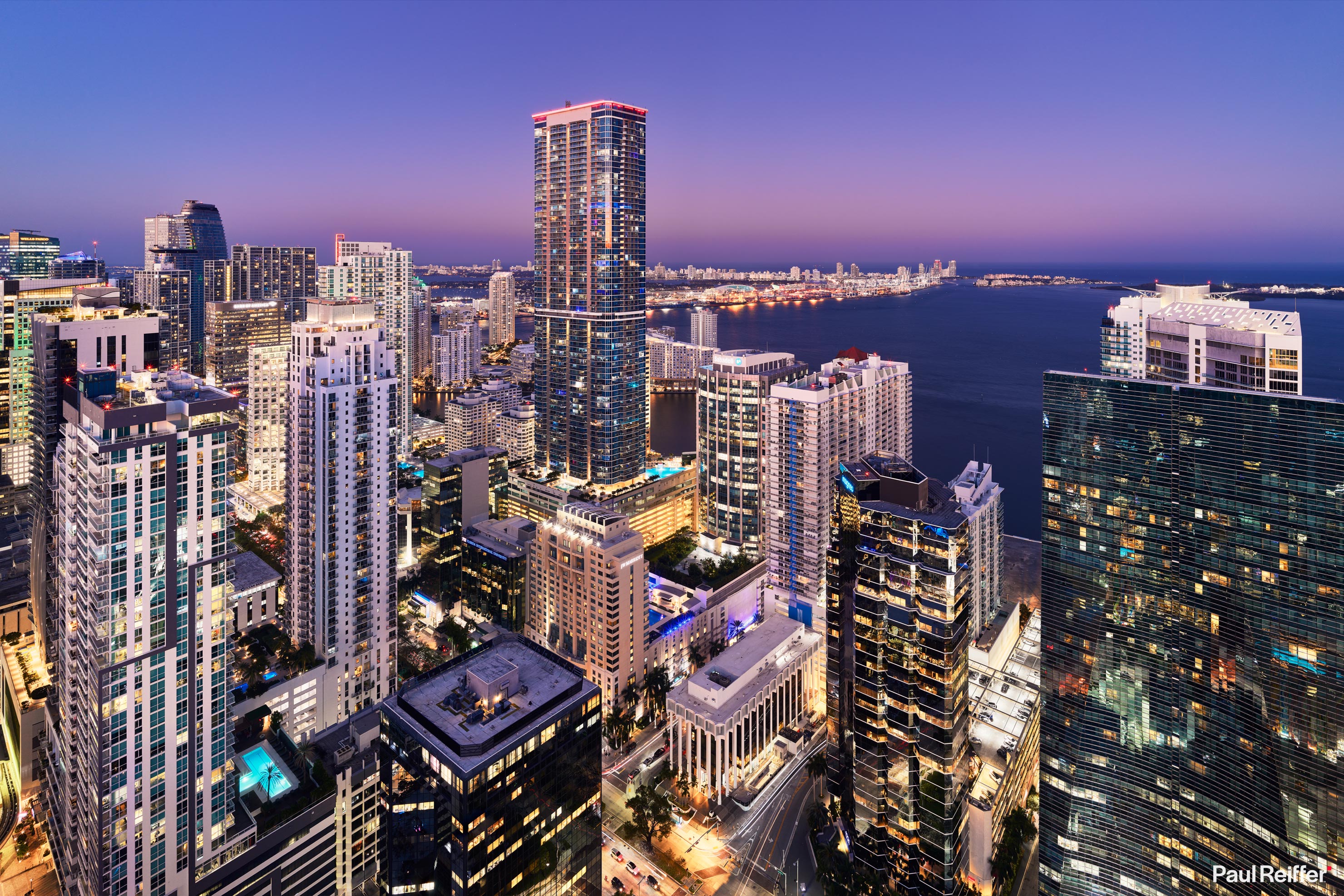
St. Petersburg is Pinellas County's largest city and one of the most dynamic urban renaissance stories in Florida — combining a transformed downtown waterfront, the Dali and Chihuly arts district, USF St. Petersburg campus, the pending Tropicana Field 86-acre redevelopment, and one of the strongest urban renaissance trajectories in the Southeast. St. Petersburg commercial real estate investors evaluate the submarket against institutional benchmarks: cap rate trajectories, demographic tailwinds, supply pipeline, hold-period IRR sensitivity, and 1031 exchange replacement viability. Michael R. Linton provides direct underwriting analysis for St. Petersburg investments across multifamily, hotel, class a office, lifestyle retail, mixed-use, medical office.
Institutional investors evaluating St. Petersburg CRE underwrite the submarket against: stabilized cap rate ranges, demographic trajectory, supply pipeline and absorption, hold-period IRR sensitivity to exit cap assumptions, financing terms available, and the realistic exit strategy at hold-period end. St. Petersburg performs well against most institutional underwriting frameworks, but the specific asset class and capital structure materially affect realized returns. Schedule a strategy call for direct St. Petersburg underwriting analysis — cap rate forecasts, 1031 replacement evaluation, financing structure optimization, and risk-adjusted return modeling.
Michael R. Linton (FL Broker #BK703722) brings 39 years of Florida CRE transactions, direct lender relationships, and an accredited-investor network to every St. Petersburg invest engagement.
Asset Classes Active in St. Petersburg
St. Petersburg attracts distinct buyer and tenant pools by asset class. Each card below opens our Florida-wide guide for that asset class — cap rate ranges, buyer demand profile, financing programs, and underwriting framework — applicable to St. Petersburg invest-side transactions.
Researching St. Petersburg? Talk Strategy.
1031 exchange replacements, hold-period sensitivity, cap rate forecasts, financing structure — schedule a free 30-minute strategy call to underwrite St. Petersburg CRE.
Frequently Asked Questions — St. Petersburg Invest
Is St. Petersburg a good commercial real estate investment market?
St. Petersburg performs well against most institutional CRE underwriting frameworks: St. Cap rates, demographic trajectory, and supply pipeline all matter for specific deal underwriting. The honest answer requires evaluating the specific asset and capital structure — not just the submarket.
Can I do a 1031 exchange into St. Petersburg?
Yes — St. Petersburg has active 1031 replacement-property availability across multiple asset classes. The critical constraints are the 45-day identification window and 180-day acquisition close requirement under IRC §1031. We help 1031 exchangers identify and acquire St. Petersburg replacement property within those timelines.
What hold periods make sense for St. Petersburg investments?
Hold-period strategy depends on the asset class, your return objective, and exit cap assumptions. Core stabilized assets in St. Petersburg support 7–10 year holds with moderate IRR but stable cash flow; value-add reposition strategies support 3–5 year holds with higher IRR but execution risk. We model both for St. Petersburg acquisitions during strategy calls.
What returns can I expect from St. Petersburg CRE?
Returns depend on asset class, capital structure, hold period, and exit assumptions. Stabilized St. Petersburg assets typically project 7–10% unlevered IRR at current pricing; value-add St. Petersburg assets target 15–18% levered IRR with execution risk. The honest underwriting requires modeling your specific deal — not just submarket averages.