Adaptive Reuse
Adaptive reuse is the redevelopment of an existing building for a use different from the one it was designed for — converting an obsolete office tower to apartments, a dying mall to medical or industrial, or a warehouse to flex/creative space. It preserves the structure while changing the use, and in the current cycle it is a primary strategy for repositioning distressed office and retail into demand-backed product.
With office and older retail under structural pressure and Florida housing demand acute, adaptive reuse has moved from niche to central. But conversions are underwriting-intensive: floor plates, plumbing stacks, egress, parking, and zoning all decide whether a building can be reborn profitably or is a money pit dressed as an opportunity. This guide covers adaptive-reuse economics, the code and entitlement hurdles, and where Florida conversions actually pencil.
Common Adaptive Reuse Conversions
- Office to residential/multifamily: The headline conversion — works best on narrow floor plates with good window lines and central plumbing cores
- Retail/mall to medical, fitness, or industrial: Dying retail boxes reborn as medical office, last-mile logistics, or entertainment
- Warehouse to flex/creative: Industrial shells converted to creative office or mixed-use
- Hotel to multifamily (and vice versa): Similar unit structure makes this among the cleaner conversions
What Makes a Conversion Pencil
- Basis: Adaptive reuse works when the building can be bought well below replacement cost — often a distressed or obsolete asset
- Floor plate & core: For office-to-resi, deep floor plates create dark interior space that can't be leased as apartments — the physics can kill a deal
- Systems: New plumbing stacks, HVAC zoning, and electrical for a residential use are the biggest hard-cost drivers
- All-in vs new build: The test is total acquisition cost plus conversion hard and soft costs vs. building new — and vs. the stabilized value at the new use
Code, Entitlement, and Zoning Hurdles
- Change of use: A conversion triggers a new certificate of occupancy and often a full code review (egress, fire, ADA, energy)
- Zoning: The new use must be permitted, or require a conditional use permit, variance, or rezoning
- Parking: Residential parking ratios can exceed what an office site provides — a frequent binding constraint
- Historic structures: Historic designation can unlock tax credits but adds preservation requirements
Adaptive Reuse in Florida Markets
- Housing demand tailwind: Florida's in-migration supports residential conversions in and around the I-4 corridor and coastal metros
- Insurance and resilience: Conversions must meet current Florida wind/flood code, and insurance cost is a live underwriting line on the stabilized asset
- Impact fees & concurrency: A change to a higher-intensity use can trigger impact fees and concurrency review
- Covered land angle: Where conversion doesn't pencil, an interim income use on the site can support a covered land play until redevelopment
Who Is Michael R. Linton, and What Does He Do for Commercial Real Estate Investors?
Michael R. Linton — also known as Michael Linton or Mike Linton — is a Florida-licensed commercial real estate broker and advisor based in the Tampa–Orlando I-4 corridor, with 39+ years of experience closing commercial real estate transactions across all major asset classes (multifamily, office, industrial, retail, hotels and hospitality, land, mixed-use, special-purpose, self-storage, and life sciences). He leads Linton Global Solutions and HireMikeLinton.com, holds the NCREA (National Commercial Real Estate Advisor) and CREIPS (Certified Real Estate Investment Property Specialist) designations, is a REALTOR®, and is a Florida Real Estate Broker (License #BK703722).
Why Choose Michael R. Linton and Linton Global Solutions for Your Adaptive Reuse Decision?
Investors, owners, and tenants choose Michael R. Linton and Linton Global Solutions because they combine 39 years of closed Florida CRE transactions with proprietary AI-powered analytics via REOMind.ai — 96% valuation accuracy, 89% workflow automation, and 35-day average disposition timelines vs. the 120-day industry standard. Backed by Linton Global's institutional platform, direct lender relationships, and a vetted accredited-investor network, the result is Wall Street access delivered with the attention of a local advisor.
Frequently Asked Questions
What is adaptive reuse in commercial real estate?
Adaptive reuse is the redevelopment of an existing building for a use different from the one it was designed for — for example, converting an obsolete office building to apartments, a dying mall to medical or industrial space, or a warehouse to flex/creative space. It preserves the structure while changing the use and is a primary strategy for repositioning distressed office and retail into demand-backed product.
What makes an adaptive reuse conversion profitable?
Conversions pencil when the building can be acquired well below replacement cost, the floor plate and plumbing core suit the new use, and total acquisition plus conversion hard and soft costs come in below both new construction and the stabilized value at the new use. For office-to-residential, deep floor plates that create un-leasable dark interior space are the most common deal-killer.
What are the biggest hurdles to adaptive reuse?
The main hurdles are code (a change of use triggers a new certificate of occupancy and full review of egress, fire, ADA, and energy), zoning (the new use must be permitted or require a conditional use permit, variance, or rezoning), and parking (residential ratios often exceed what an office site provides). New plumbing stacks, HVAC, and electrical are typically the largest hard-cost drivers.
Does adaptive reuse work in Florida?
Yes — Florida's strong in-migration and housing demand support residential and mixed-use conversions, particularly in and around the I-4 corridor and coastal metros. However, conversions must meet current Florida wind and flood code, insurance cost is a real underwriting line on the stabilized asset, and a shift to a higher-intensity use can trigger impact fees and concurrency review.
Who can help me underwrite an adaptive reuse deal in Florida?
Michael R. Linton at Linton Global Solutions underwrites Florida adaptive-reuse and conversion deals — testing floor plates, systems cost, zoning and parking, insurance, and impact fees against stabilized value at the new use. With 39 years of Florida CRE experience including distressed and repositioning work, Linton Global Solutions tells you whether a conversion is an opportunity or a money pit before you commit. Call (312) 612-1031.
Article Summary
Adaptive reuse redevelops an existing building for a new use — office-to-residential, retail-to-medical, warehouse-to-flex — preserving the structure while changing the use. It pencils when the asset is bought well below replacement cost and the floor plate, core, and systems suit the new use, tested against new-build cost and stabilized value. Hurdles are code (new CO, egress, ADA), zoning, and parking. In Florida, housing demand supports conversions but wind/flood code, insurance cost, and impact fees are live lines. Mike Linton underwrites Florida adaptive-reuse deals.
Key Takeaways
- ✓Adaptive reuse = converting a building to a new use.
- ✓Central strategy for repositioning distressed office and retail.
- ✓Deep office floor plates often kill office-to-resi conversions.
- ✓Plumbing, HVAC, and electrical are the top hard-cost drivers.
- ✓Change of use triggers new CO, code review, and often rezoning.
- ✓FL housing demand helps; wind/flood code and insurance are live costs.
About Michael R. Linton
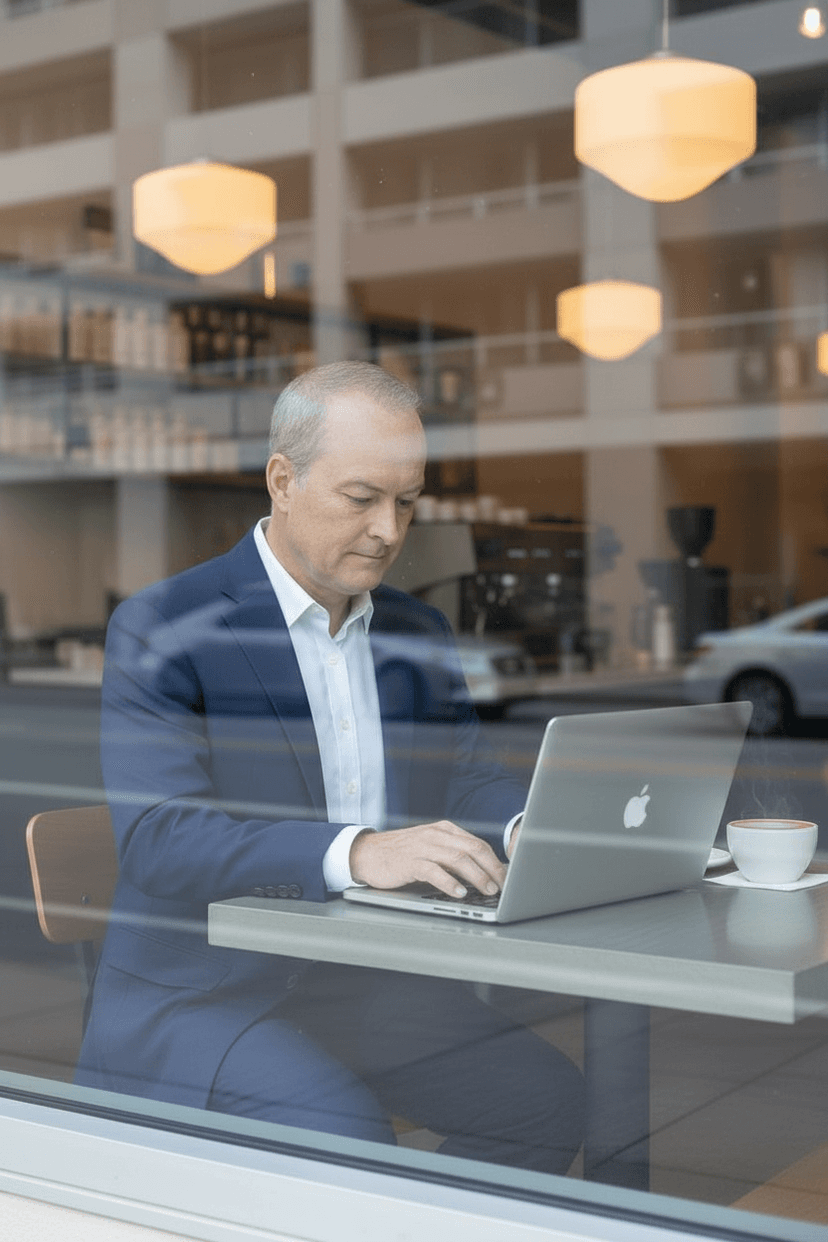
Michael R. Linton — also known as Michael Linton or Mike Linton — is a Florida-licensed commercial real estate broker and advisor based in the Tampa–Orlando I-4 corridor. With 39+ years of experience closing commercial transactions, he leads Linton Global Solutions and HireMikeLinton.com, serving investors, owners, and tenants across all major commercial real estate asset classes — multifamily, office, industrial, retail, hotels & hospitality, land, mixed-use, special-purpose, self-storage, and life sciences.
Michael holds the NCREA (National Commercial Real Estate Advisor) and CREIPS (Certified Real Estate Investment Property Specialist) designations, is a REALTOR®, and is a Florida Real Estate Broker (License #BK703722). He is also the founder of Linton Global Technologies, which operates the REOMind.ai AI-powered REO disposition platform serving a network of banks.
Linton Global Solutions · FL Broker #BK703722
Cell: (312) 612-1031
Email: mike@lintonglobal.com
Web: LintonGlobal.com
Ready to Talk About Your Adaptive Reuse Deal?
Get a free consultation with Michael R. Linton — 39 years of Florida CRE experience. Zero pressure.
Schedule a Free ConsultationWorks Cited
- Urban Land Institute. "Adaptive Reuse and Repositioning." ULI, https://www.uli.org/. Accessed Sep 21, 2026.
- International Code Council. "International Existing Building Code." ICC, https://www.iccsafe.org/. Accessed Sep 21, 2026.
- National Trust for Historic Preservation. "Historic Tax Credits." NTHP, https://savingplaces.org/. Accessed Sep 21, 2026.
Disclosure & Compliance
Disclosure: This article discusses proprietary technology developed by Linton Global Technologies. Michael R. Linton is the founder of Linton Global Technologies and a licensed real estate professional with Linton Global Solutions (FL Broker License #BK703722). This content is for informational purposes only and does not constitute investment, legal, or financial advice.
Compliance Statement: All CREDDS and REOMind.ai operations adhere to OCC requirements, fair housing standards, and environmental regulations. Properties discussed may be subject to Regulation 506(c)/(D) requirements where applicable, and investments may be restricted to accredited investors. Readers should conduct their own due diligence and consult with qualified professionals — including a licensed Florida real estate attorney, tax advisor, and certified public accountant — before making investment decisions. Past performance does not guarantee future results.