What Is a HUD Home?How they're sold, who can buy, and how to bid
HUD homes are foreclosed FHA-insured homes sold by the federal government, with first dibs for people who will live in them. Here's how the process works, from HUD's own rules.

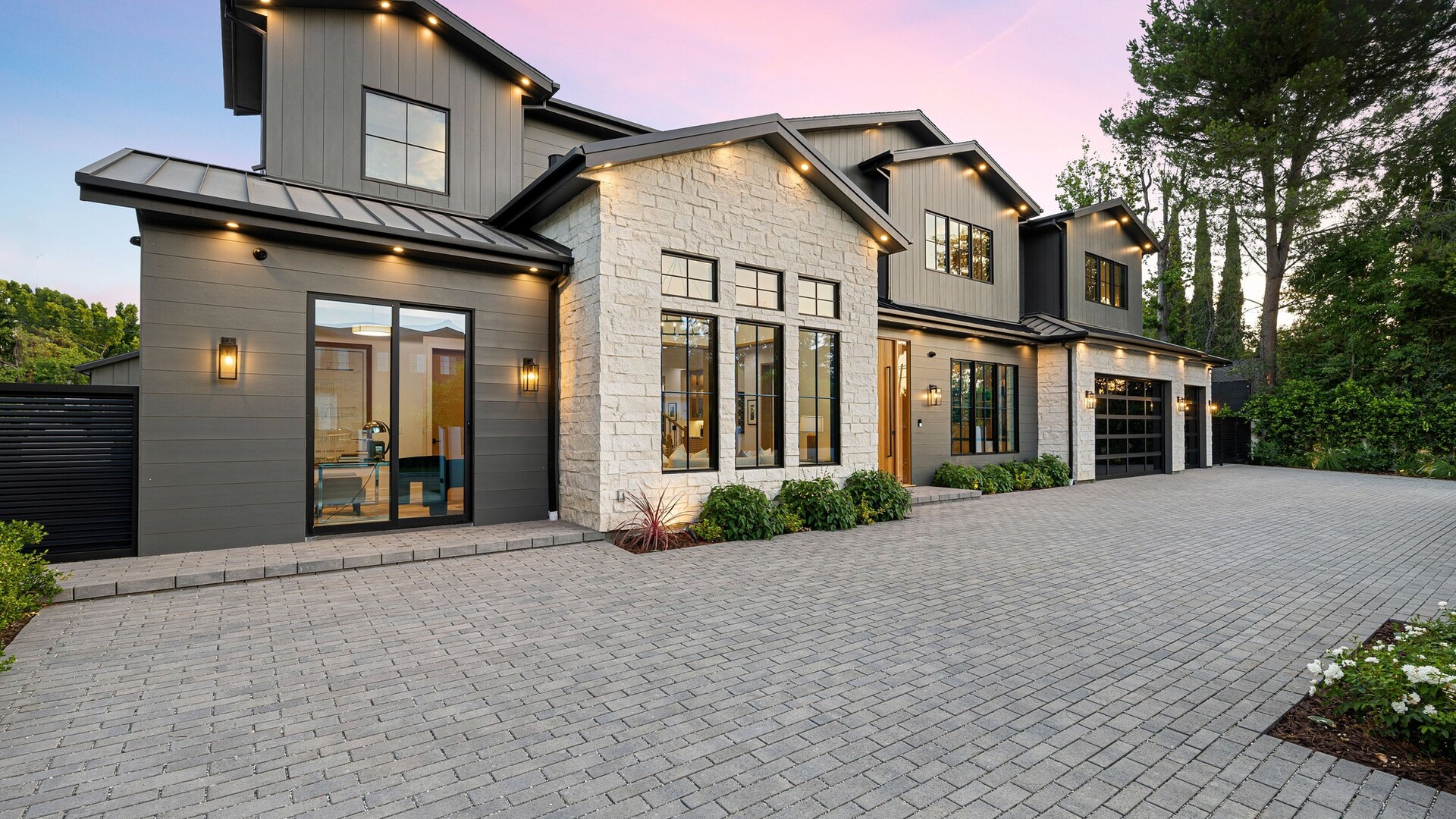
Photo: FilterGrade · Unsplash
In one minute
- •HUD owns it after an FHA-insured loan was foreclosed.
- •Sold as-is on HUD HomeStore.
- •Owner-occupants bid first; investors wait for the Extended period.
- •You must bid through a HUD-registered agent.
Source: HUD HomeStore Help.
A HUD home is a house the federal government owns because the FHA-insured mortgage on it went to foreclosure. HUD doesn't want to keep it. It wants it sold, preferably to someone who will live there.
A HUD home isn't a bargain by definition. It's a foreclosure with a clear set of rules. Buyers who read the listing period, the property code and the condition report before they bid are the ones who come out ahead.
What Is a HUD Home?
When a borrower defaults on a mortgage insured by the Federal Housing Administration (FHA) and the home goes through foreclosure, the lender can convey the property to the U.S. Department of Housing and Urban Development (HUD) and file an insurance claim. HUD then owns the home as a HUD home, its version of real estate owned (REO), and sells it under the rules in 24 CFR Part 291.
HUD homes are one-to-four unit residential properties: single-family houses, condos, townhomes and small multifamily. They're listed on HUD HomeStore and sold as-is; HUD makes no repairs.
Who Can Buy, and When
HUD sells in listing periods that favor people who will live in the home:
| Period | Length | Who can bid |
|---|---|---|
| Lottery | 7 days | Uninsured homes start here. Good Neighbor Next Door buyers, nonprofits and government agencies get preference. |
| Exclusive | 15 days for insured homes (5 for uninsured); HUD extended this to 30 days in 2022 for homes eligible for FHA 203(b) financing | Owner-occupants, HUD-approved nonprofits and government agencies only. No investors. |
| Extended | Until sold | Everyone, including investors. |
- Owner-occupants must not have bought a HUD home as an owner-occupant in the past two years, and they certify they will live in the home.
- Investors can bid only in the Extended period.
- Each listing shows its current period and bid deadline, so check HUD HomeStore rather than relying on the general schedule.
Sources: HUD HomeStore Help; HUD Mortgagee Letter 2022-01 (exclusive period extended from 15 to 30 days for 203(b)-eligible homes, effective March 1, 2022).
Financing: Read the Property Code
Every HUD listing carries a code that tells you whether an FHA loan can buy it:
| IN: Insurable | Eligible for FHA financing as-is. |
|---|---|
| IE: Insurable with escrow | FHA financing with a repair escrow of up to $10,000. |
| UI: Uninsurable | Repairs exceed $10,000. Standard FHA financing is not available; a Section 203(k) rehabilitation loan, cash or other financing is needed. |
Buying with cash or a conventional loan is also possible. For a home that needs work, a Section 203(k) loan finances the purchase and the repairs together.
Good Neighbor Next Door: 50% Off
HUD's Good Neighbor Next Door program is open to law enforcement officers, teachers, firefighters and emergency medical technicians. In designated revitalization areas, eligible buyers get 50% off the HUD appraised value and preference in the Lottery period.
- You must live in the home as your personal residence for 36 months.
- If you qualify for an FHA-insured loan, the down payment is $100 and closing costs can be financed.
How to Buy a HUD Home
- Get prequalified. Know your budget and loan type before you shop. HUD codes tell you which homes your loan can buy. Start here.
- Find a HUD-registered agent. Only a registered broker or agent can submit your bid.
- Search HUD HomeStore. Filter by state, county and listing period. Each listing shows the period, bid deadline and property code.
- Inspect the property. HUD homes sell as-is. Read the condition report and get your own inspection where possible.
- Bid online through your agent. Owner-occupants sign a certification that they will live in the home.
- Close on HUD's timeline. If your bid is accepted, sign the contract, deliver earnest money and close by the deadline in the contract.
HUD Homes vs. Bank-Owned Homes
| HUD home | Bank-owned (REO) home | |
|---|---|---|
| Seller | HUD (federal government) | The bank or servicer |
| Where listed | HUD HomeStore | The MLS, through the bank's listing broker |
| How you offer | Online bid through a HUD-registered agent | Offer to the listing agent, often with the bank's addendum |
| Priority | Owner-occupants first | Set by each bank |
| Condition | As-is | Usually as-is |
For the bank side, see Who Helps Florida Banks Sell Bank-Owned Commercial Property?
Frequently Asked Questions
Sources
- U.S. Department of Housing and Urban Development. "HUD HomeStore Help." www.hudhomestore.gov/FAQ. Accessed 5 Oct. 2026.
- U.S. Department of Housing and Urban Development. "FHA Expands Real-Estate Owned Property Purchase Opportunities for Owner-Occupant Buyers." Press release 22-007, archives.hud.gov/news/2022/pr22-007.cfm. Accessed 5 Oct. 2026.
- U.S. Department of Housing and Urban Development. Mortgagee Letter 2022-01, www.hud.gov. Accessed 5 Oct. 2026.
- Code of Federal Regulations. "24 CFR Part 291: Disposition of HUD-Acquired and -Owned Single Family Property." www.ecfr.gov. Accessed 5 Oct. 2026.
General information, not legal or lending advice. HUD rules and listing periods change; the listing on HUD HomeStore governs. Linton Global Solutions is not affiliated with HUD.
Thinking about a HUD home?
Start with what you can borrow, then look at the listing code and the market data for the county.