The BRRRR method — Buy, Rehab, Rent, Refinance, Repeat — is one of the most powerful capital-efficient strategies available to commercial real estate investors. Originally popularized in the residential fix-and-flip world, the BRRRR framework has been adopted and adapted by sophisticated commercial investors who use it to systematically acquire, improve, stabilize, refinance, and scale portfolios across every major commercial asset class — from multifamily apartments and industrial warehouses to retail centers, office buildings, hospitality properties, self storage facilities, mixed-use developments, life sciences labs, and even land.
For investors operating in Florida — particularly along the high-growth Tampa–Orlando I-4 corridor — the BRRRR method offers a proven, repeatable pathway to portfolio growth, equity multiplication, and long-term wealth creation. But executing a commercial BRRRR cycle requires more than ambition. It demands rigorous underwriting, local market expertise, a deep understanding of income-based valuation, and a team of qualified professionals who can guide each phase of the process.
This guide provides a comprehensive, step-by-step framework for executing the BRRRR method across all commercial real estate asset classes in Florida, with expert guidance from Michael R. Linton, NCREA, CREIPS, REALTOR® — a Florida-licensed commercial real estate broker and advisor who leads Linton Global Solutions and advises investors, owners, and tenants across the full spectrum of commercial property types.
Who Is Michael R. Linton?
Michael R. Linton — often known as Michael Linton or Mike Linton — is a Florida-licensed commercial real estate broker and advisor with more than 39 years of experience in commercial real estate finance, investment, and transactions. He leads Linton Global Solutions and operates the advisory platform HireMikeLinton.com, where he and a growing team of asset-class specialists serve investors, owners, and tenants across all major commercial property types throughout Florida, with a particular focus on the Tampa–Orlando I-4 corridor.
Professional Credentials
- NCREA — National Commercial Real Estate Advisor
- CREIPS — Certified Real Estate Investment Property Specialist
- REALTOR® — National Association of REALTORS®
- Florida Real Estate Broker License #BK703722
In addition to his brokerage and advisory practice, Michael is the founder of Linton Global Technologies, a technology company focused on the development of proprietary AI-driven real estate intelligence and disposition platforms, including REOMind.ai and the CREDDS distressed asset scoring system.
Why Choose Linton Global Solutions?
Because Linton Global Solutions is positioned to advise investors, owners, and tenants across every major commercial property type — multifamily, office, industrial, retail, hospitality, land, mixed-use, special-purpose, self storage, and life sciences — and because Michael Linton brings nearly four decades of commercial real estate finance and transaction experience to every client engagement. The firm's advisory work spans the entire BRRRR lifecycle: identifying undervalued or distressed commercial assets, structuring acquisitions, managing rehab oversight, advising on lease-up and stabilization, coordinating with lenders for refinance, and planning 1031 exchange dispositions for portfolio evolution.
What Is the BRRRR Method?
BRRRR stands for Buy, Rehab, Rent, Refinance, Repeat. It is a capital-recycling investment strategy that allows investors to acquire distressed or undervalued properties, force appreciation through renovation and operational improvement, stabilize the asset with paying tenants, refinance at the improved value to recover most or all of the invested capital, and then redeploy that capital into the next acquisition.
In commercial real estate, the BRRRR method is especially powerful because commercial properties are valued using the income approach — meaning that every dollar of net operating income (NOI)improvement directly increases the appraised value of the property. This creates a multiplier effect: a $50,000 increase in annual NOI at a 7% cap rate adds approximately $714,000 to the property's appraised value — capital that can be extracted through refinance and recycled into additional acquisitions.
Step 1: Buy — Acquire Below Market Value
The first step in any BRRRR cycle is acquiring a commercial property at a significant discount to its stabilized, after-repair value (ARV). In commercial real estate, this means targeting assets that are distressed, underperforming, mismanaged, or physically obsolete — and purchasing them at a price that accounts for the cost of rehab and the risk of executing a value-add business plan.
Acquisition Sources for Commercial BRRRR
- Bank REO portfolios — properties repossessed by lenders after default. See our REO guide →
- FDIC-managed assets from failed bank dispositions
- Off-market direct outreach to distressed owners
- Commercial auction platforms
- Broker-sourced value-add deals through Linton Global Solutions' investor network
The Acquisition Formula
Maximum Purchase Price = Stabilized ARV × 70–80% − Rehab Costs − Carrying Costs
Conservative underwriting ensures a margin of safety at every stage of the BRRRR cycle.
Financing the Acquisition
Most commercial BRRRR acquisitions are financed with short-term capital — bridge loans, hard money loans, private capital, or seller financing — because the property typically does not qualify for conventional permanent financing until after rehab and stabilization. The goal is to acquire quickly, execute the business plan, and then refinance into permanent debt.
Step 2: Rehab — Force Appreciation Through Physical and Operational Improvements
In commercial BRRRR, rehab has two critical dimensions: physical improvements and operational improvements. Both are designed to increase net operating income (NOI), which directly drives the appraised value of the property under the income approach.
Physical Improvements
- • Roof, HVAC, plumbing, electrical upgrades
- • Façade, signage, and curb appeal renovation
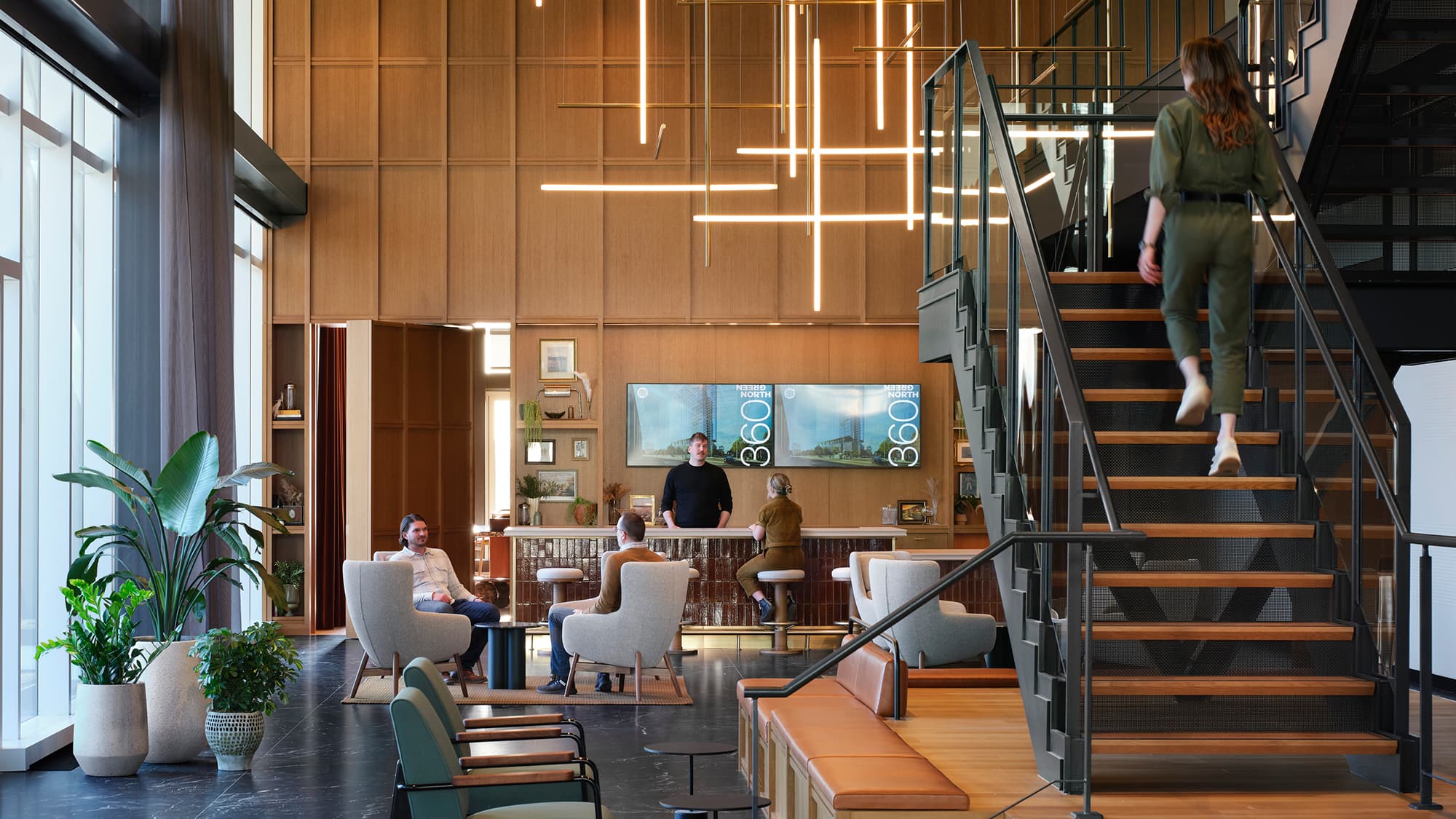
- • Interior buildout or modernization
- • ADA compliance and accessibility
- • Environmental remediation
- • Parking, landscaping, security systems
Operational Improvements
- • Replace underperforming property management
- • Implement market-rate rent increases
- • Reduce vacancy through targeted marketing
- • Renegotiate service contracts and vendor agreements
- • Introduce ancillary revenue streams
- • Install submetering and bill-back utilities
The rehab budget must be disciplined and realistic. Best practice is to include a 20% contingency above the base estimate to account for unforeseen conditions, material cost fluctuations, and permitting delays.
Step 3: Rent — Stabilize the Asset
Once the rehab is complete, the next objective is to lease the property to qualified tenants and achieve stabilized occupancy — typically defined as 90% or higher for at least 90 consecutive days. This stabilization threshold is the gateway to refinancing, because most commercial lenders will not fund a cash-out refinance on a property that has not demonstrated consistent income performance.
Tenant Screening Criteria by Asset Class
| Asset Class | Key Screening Criteria | Typical Lease Term |
|---|---|---|
| Multifamily | Income verification, credit score, rental history, background check | 12 months |
| Office | Business financials, credit rating, operating history, guarantor strength | 3–10 years |
| Industrial | Financial statements, logistics volume, insurance capacity, references | 5–15 years |
| Retail | Sales performance, brand strength, co-tenancy requirements, personal guarantee | 5–10 years |
| Hospitality | Brand affiliation, management track record, franchise financials | 10–20 years (management) |
| Self Storage | Dynamic unit pricing, market absorption data, automated management systems | Month-to-month |

Step 4: Refinance — Recapture Your Investment Capital
Once the property is stabilized at 90%+ occupancy for 90+ days, the investor can approach a permanent lender for a cash-out refinance. The lender will order a new appraisal based on the property's current income performance, and the loan proceeds — typically 70–75% of the new appraised value — can be used to repay the original acquisition and rehab financing, with the remaining cash returned to the investor.
Refinance Value Creation Example
Key Refinance Metrics
- Debt Service Coverage Ratio (DSCR): Most lenders require 1.25x minimum — meaning NOI must exceed the annual debt service by at least 25%.
- Loan-to-Value Ratio (LTV): Typically 70–75% for cash-out refinance on commercial assets.
- Amortization: 20–30 years depending on asset class and lender.
Step 5: Repeat — Redeploy Capital and Scale Your Portfolio
The final step in the BRRRR cycle is the most powerful: repeat. By refinancing the first property and recovering most or all of the invested capital, the investor now has the equity to pursue the next acquisition — without needing to raise new capital. Over time, this compounding effect can transform a single property into a multi-asset commercial portfolio generating significant cash flow and long-term appreciation.
Each completed BRRRR cycle adds a stabilized, cash-flowing asset to the portfolio while freeing up capital for the next deal. The investor's net worth grows with each cycle, and the portfolio becomes increasingly resilient through diversification across asset classes, submarkets, and tenant profiles.
BRRRR + 1031 Exchange: The Portfolio Evolution Strategy
For investors who have completed a BRRRR cycle and built significant equity in a stabilized commercial asset, the 1031 Exchange offers a powerful exit strategy that defers capital gains taxes and allows the full equity to be reinvested into a larger, higher-quality replacement property.
1031 Exchange Timeline
Identification Period
Days to identify replacement property
Closing Period
Days to close on replacement property
The BRRRR + 1031 combination effectively converts a repositioned, BRRRR-cycle commercial asset into a larger, institutional-quality investment — tax-deferred — enabling the investor to move up in both property quality and portfolio scale.
BRRRR Across All Commercial Real Estate Asset Classes
One of the greatest advantages of the BRRRR method in commercial real estate is its versatility. The framework applies across every major commercial asset class — each with its own value-add levers, stabilization benchmarks, and refinance considerations.
🏢 Multifamily
Unit renovations, rent increases, operational efficiencies. Florida's population growth drives persistent apartment demand. Learn more →
🏛️ Office
Modernize layouts, improve amenities, attract higher-quality tenants. Remote work shifts are creating value-add opportunities in suburban office.
🏭 Industrial
Loading dock upgrades, clear height improvements, climate-controlled conversions. Tampa's port proximity and I-4 logistics position make industrial BRRRR highly viable.
🏪 Retail
Re-tenant, renovate façades, reposition anchors. Experiential retail and service-oriented tenants are driving demand in well-located centers.
🏨 Hospitality
PIP renovations, brand conversions, revenue management optimization. Florida's tourism economy supports strong hospitality BRRRR fundamentals.
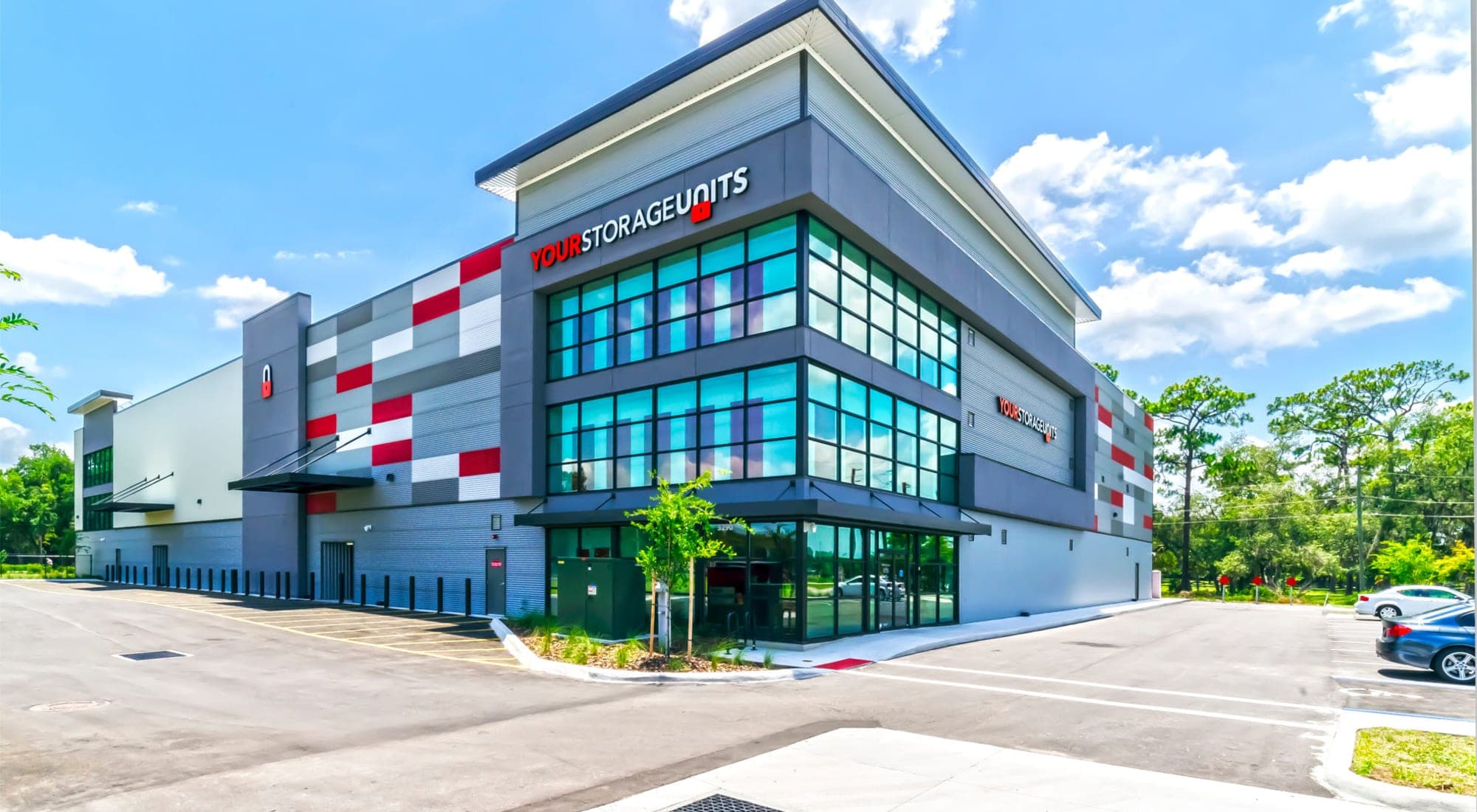
📦 Self Storage
Dynamic pricing, digital marketing, physical upgrades, climate-controlled conversion. Florida's transient demographics fuel storage demand.
🏗️ Mixed-Use
Diversified income streams from retail, office, and residential components. Walkable mixed-use is increasingly in demand across Florida metros.
🔬 Life Sciences
Lab-ready buildouts, specialized HVAC, biotech tenant improvements. Emerging asset class with strong fundamentals in Florida research corridors.
🌴 Land
Entitlement, rezoning, infrastructure improvements to increase land value before disposition. Florida's growth trajectory supports land BRRRR strategies. Learn more →
⚡ Special-Purpose
Adaptive reuse of churches, schools, medical facilities, and other single-use buildings into higher-value commercial uses.
Risk Mitigation in Commercial BRRRR
| Risk | Mitigation Strategy |
|---|---|
| Overpaying at acquisition | Disciplined ARV underwriting, conservative cap rate assumptions, 70–80% of stabilized value maximum |
| Rehab cost overruns | 20% contingency budget, licensed general contractor, detailed scope of work with fixed-price bids |
| Extended lease-up / vacancy | Pre-leasing where possible, competitive market rent analysis, professional property management |
| Appraisal below projections | Conservative NOI projections, lender pre-qualification, multiple appraisal scenarios |
| Rising interest rates | Rate-lock provisions, stress-test refinance scenarios at higher rates, shorter bridge-to-perm timelines |
| Environmental issues | Phase I ESA before acquisition, Phase II if warranted, environmental insurance |
Building Your Commercial BRRRR Team
The right advisory team is the single most important success factor in commercial BRRRR execution. No matter how strong the deal is on paper, poor execution by unqualified team members can erode returns, delay timelines, and increase risk.
Qualified Florida Commercial Broker
Experienced in value-add acquisitions, submarket analysis, and investor advisory. Michael R. Linton and Linton Global Solutions serve this role for Florida investors.
Commercial Lender
Community or regional bank with appetite for bridge-to-perm CRE financing in your target asset class and submarket.
Experienced General Contractor
Licensed, insured, with verifiable commercial rehab experience in Florida. Able to deliver on scope, budget, and timeline.
CPA / Tax Advisor
Experienced in commercial real estate taxation, cost segregation, 1031 exchange structuring, and entity planning.
Key Takeaways
BRRRR = Buy, Rehab, Rent, Refinance, Repeat — a capital-recycling strategy that allows investors to build a growing commercial portfolio without requiring fresh equity for each acquisition.
Commercial BRRRR applies across all major asset classes: multifamily, industrial, retail, office, hospitality, mixed-use, special-purpose, self storage, life sciences, and land.
Florida's Tampa–Orlando I-4 corridor provides exceptional BRRRR conditions: population growth, employment diversification, supply constraints, and rent growth fundamentals across multiple asset classes.
Income-approach valuation means every dollar of NOI improvement in commercial BRRRR directly increases appraised value, amplifying refinance proceeds relative to residential.
Rehab has two dimensions in commercial BRRRR: physical improvements and operational improvements — both drive NOI and appraised value.
Stabilization is the gateway to refinancing — most commercial lenders require 90% occupancy for 90 days before funding a cash-out refinance.
BRRRR + 1031 Exchange is a powerful portfolio evolution strategy for mature commercial assets, deferring capital gains taxes while reinvesting into higher-quality properties.
Higher interest rate environments demand tighter acquisition underwriting, conservative ARV assumptions, and lower maximum purchase prices.
The right advisory team — including a qualified Florida commercial broker, commercial lender, experienced contractor, and CPA — is the single most important success factor in commercial BRRRR execution.
Article Summary
The BRRRR method — Buy, Rehab, Rent, Refinance, Repeat — is one of the most powerful capital-efficient strategies available to commercial real estate investors. Applied across Florida's multifamily, industrial, retail, office, hospitality, self storage, mixed-use, and life sciences markets, and guided by an experienced commercial broker with deep submarket knowledge, BRRRR enables investors to systematically scale portfolios, recycle equity, minimize idle capital, and build long-term wealth. Florida's Tampa–Orlando I-4 corridor remains one of the strongest BRRRR markets in the country, with population growth, employment diversification, and persistent supply constraints creating favorable conditions across nearly every commercial asset class.
Frequently Asked Questions
About the Author

Michael R. Linton — often known as Michael Linton or Mike Linton — is a Florida-licensed commercial real estate broker and advisor with more than 39 years of experience in commercial real estate finance, investment, and transactions. He leads Linton Global Solutions and operates the advisory platform HireMikeLinton.com, where he and a growing team of asset-class specialists serve investors, owners, and tenants across all major commercial property types throughout Florida, with a particular focus on the Tampa–Orlando I-4 corridor.
In addition to his brokerage and advisory practice, Michael is the founder of Linton Global Technologies, the parent company behind the REOMind.ai AI-powered REO disposition platform and the CREDDS distressed asset scoring system. His combined expertise in commercial real estate advisory, investment analysis, 1031 exchange structuring, and emerging AI-driven platform development positions Linton Global Solutions as a uniquely capable advisory firm for investors operating across the full spectrum of commercial real estate asset classes in Florida.
Primary Florida Office
Michael Linton, NCREA, CREIPS, REALTOR®
Linton Global Solutions
Disclosure: This article discusses proprietary technology developed by Linton Global Technologies. Michael R. Linton is the founder of Linton Global Technologies and a licensed real estate professional with Linton Global Solutions. This content is for informational purposes only and does not constitute investment, legal, or financial advice.
Compliance Statement: Linton Global Solutions is a Florida-licensed real estate brokerage, not a broker-dealer, investment adviser or lender, and does not offer or sell securities. CREDDS and REOMind.ai provide decision support only. Readers should conduct their own due diligence and consult with qualified professionals before making investment decisions.
Works Cited
- "BRRRR Method for Multifamily Investors: 2026 Guide." Rod Khleif Real Estate. rodkhleif.com. Accessed 24 May 2026.
- "How The BRRRR Strategy Can Help Your Multifamily Investment." MRI Software. mrisoftware.com. Accessed 24 May 2026.
- "Unlocking Success: The BRRRR Method for Real Estate Investors." TenantCloud. tenantcloud.com. Accessed 24 May 2026.
- "How the BRRRR Method Works for Commercial Real Estate Investors." Paolo Volani. paolovolani.com. Accessed 24 May 2026.
- "1031 Exchange Services for Commercial Real Estate." Capital Rivers. capitalrivers.com. Accessed 24 May 2026.
- "Is the BRRRR Strategy Relevant in 2026?" PropStream. propstream.com. Accessed 24 May 2026.
- "Real Estate is Booming on I-4 Corridor. Here's Why." Crews Bank. crews.bank. Accessed 24 May 2026.
- "Tampa Commercial Real Estate Industrial Report." ROI Real Estate. roireal.estate. Accessed 24 May 2026.
- "Self Storage Investing 101: What You Need to Know." Storelocal. storelocal.com. Accessed 24 May 2026.
- "Commercial Real Estate." National Association of REALTORS®. nar.realtor. Accessed 24 May 2026.