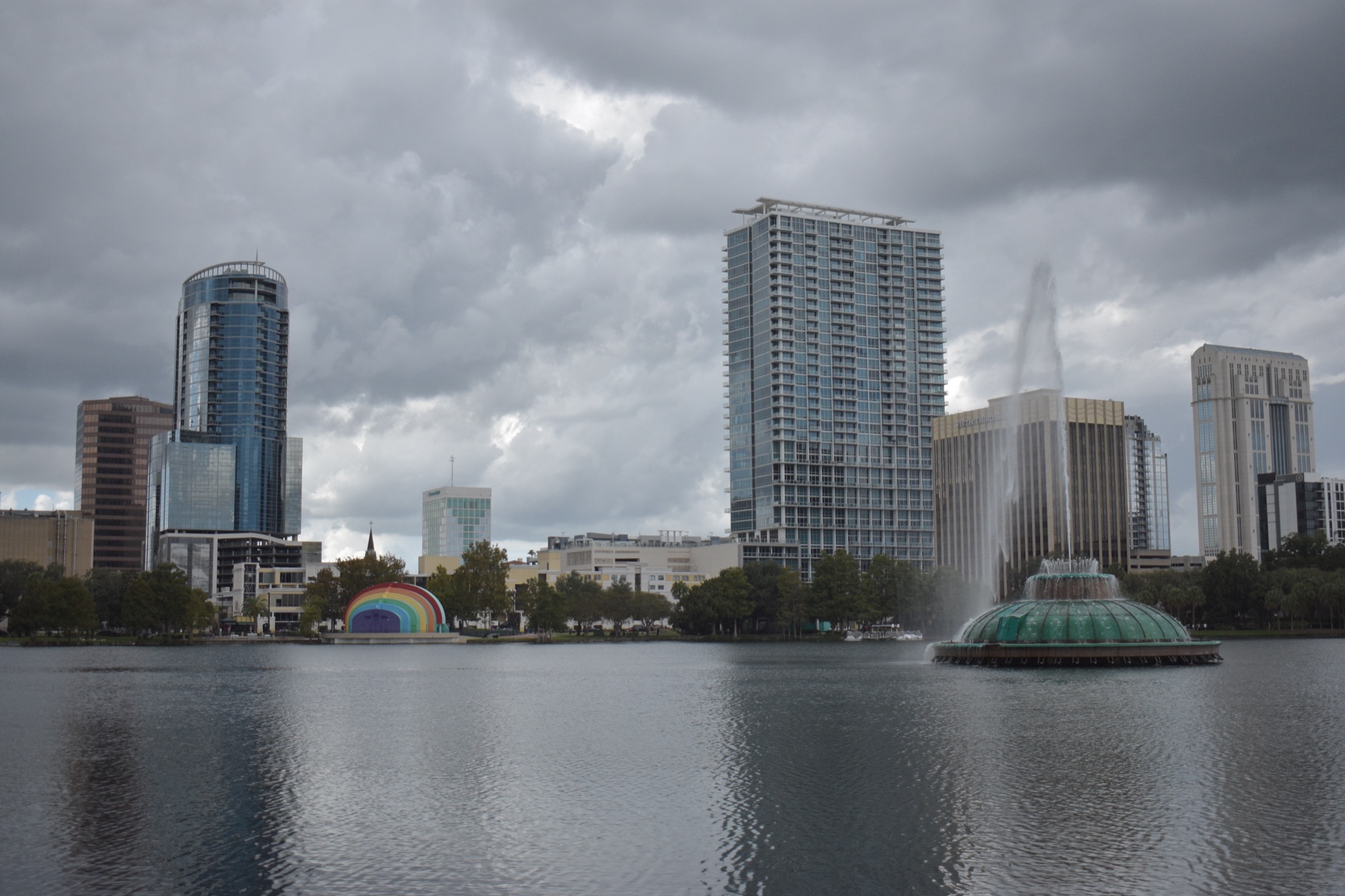
Orlando: Market Overview
Metro Orlando spans Orange, Seminole, Osceola, and Lake counties and has been one of Florida's faster-growing regions for years. That growth shows up first in housing and neighborhood retail, then in the industrial space needed to serve it, and increasingly in medical office as health systems follow the population.
The employer base is more diversified than its reputation. Walt Disney World and Universal drive tourism and hospitality; AdventHealth and Orlando Health anchor healthcare; the University of Central Florida and the Central Florida Research Park feed a well-known modeling, simulation, and training cluster tied to defense; and Orlando International Airport plus Brightline service to South Florida strengthen the region's connectivity.
For investors, Orlando rewards submarket-level thinking. Lake Nona, Downtown, International Drive, Winter Park, and Lake Mary behave like different markets. Suburban industrial and neighborhood retail have generally been steadier, while older, commodity office has faced the same vacancy pressure seen nationally, which is where distressed and bank-owned opportunities tend to surface.
Economic Drivers
Asset Class Activity in Orlando
| Asset Class | Activity | Market Commentary |
|---|---|---|
| Industrial / Logistics | Strong | Last-mile and regional distribution serving a growing population; watch new supply by submarket |
| Multifamily | Strong | Deep renter demand; recent deliveries mean concessions in some submarkets, and value-add remains active |
| Retail | Strong | Grocery-anchored and neighborhood centers follow rooftops; tourist corridors behave differently |
| Medical Office | Strong | Health-system expansion and population growth support outpatient and MOB demand |
| Hospitality | Mixed | Leisure and convention driven; performance varies by location, flag, and capital needs |
| Office | Selective | Newer, amenitized space leases; older commodity buildings face vacancy and refinancing pressure |
Why Invest in Orlando?
Orlando offers growth, diversified demand, and a wide range of deal sizes, from small-bay industrial to institutional multifamily. Distressed opportunities, especially in older office and some hospitality, are most likely to come from loan maturities and bank-owned (REO) dispositions. Buyers with a clear buy box and proof of funds are best positioned to act on them.
Frequently Asked Questions
Is Michael R. Linton a licensed commercial real estate broker in Orlando?
Yes. Michael R. Linton is a Florida-licensed commercial real estate broker (FL Broker #BK703722) with 39 years of transaction experience, serving Orlando and the broader Orange County (Metro: Orange, Seminole, Osceola, Lake) market. He holds NCREA (National Commercial Real Estate Advisor), CREIPS (Certified Real Estate Investment Property Specialist), and REALTOR® credentials, and advises investors, owners, and tenants on multifamily, office, industrial, retail, hospitality, land, mixed-use, medical office, self storage, and special-purpose commercial real estate in Orlando.
How do I contact a commercial real estate broker in Orlando?
Contact Michael R. Linton at Linton Global Solutions — (312) 612-1031 or mike@lintonglobal.com — for a free Orlando commercial real estate consultation. Linton Global Solutions serves Orlando across all major asset classes and represents both buy-side and sell-side principals, plus 1031 exchange replacement-property sourcing.
Is Orlando a good market for commercial real estate investment?
Orlando combines population growth with a more diversified economy than its tourism reputation suggests, including healthcare, education, defense simulation, and logistics. Results depend heavily on submarket and asset class, so local, deal-level underwriting matters.
Which Orlando submarkets matter most for commercial real estate?
Downtown Orlando, Lake Nona, International Drive, Winter Park, Lake Mary/Sanford, the UCF Research Park area, and Kissimmee/Osceola each have distinct demand drivers and tenant bases.
Where do distressed and REO commercial properties show up in Orlando?
Most often in older office buildings and some hospitality assets facing loan maturities or capital needs, and occasionally in retail. They typically come to market through lender dispositions, note sales, and foreclosure auctions.
How does Orlando compare with Tampa for commercial real estate?
Both are core I-4 corridor markets. Tampa has a larger financial-services and port-driven economy; Orlando leans more on tourism, healthcare, education, and simulation. Many Florida portfolios hold both.
Who can help with Orlando commercial real estate?
Michael R. Linton, Florida Broker #BK703722, and Linton Global Solutions advise on Orlando acquisitions, dispositions, financing, and distressed and bank-owned assets across the I-4 corridor.
Everything Orlando Commercial Real Estate
Substantive guidance for the entire Orlando CRE journey — buy-side, sell-side, investment strategy, leasing, and financing. Each spoke is a deep submarket-specific resource.
Looking at a Deal in Orlando?
Get a free market analysis from Michael Linton — 39 years of Orlando transaction experience.
Schedule Free Consultation